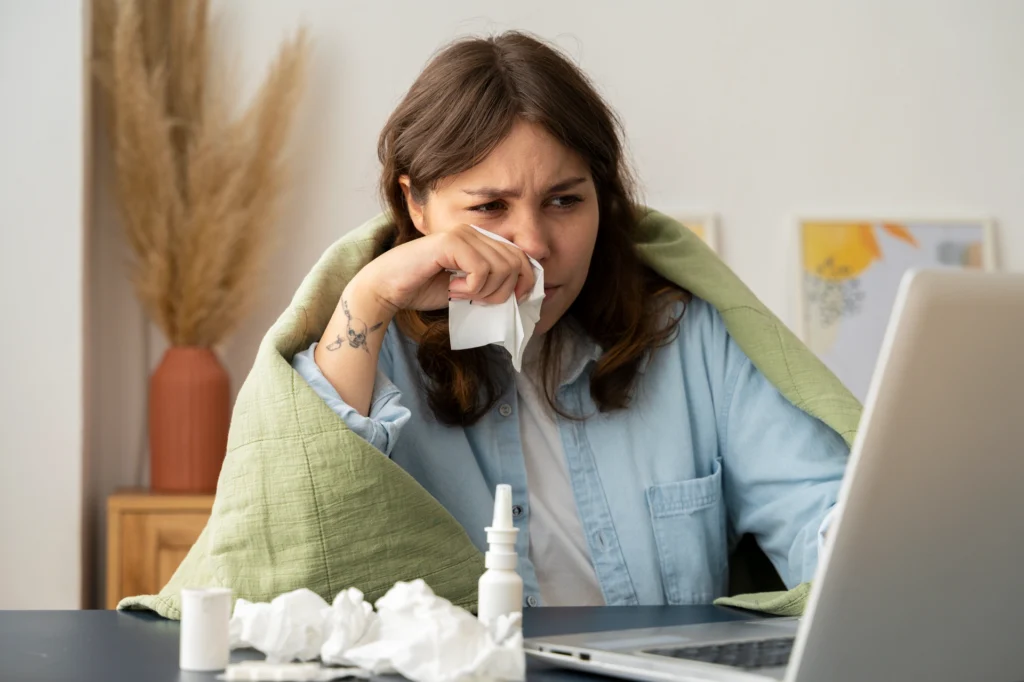
Is hayfever starting again already? You may have seen some recent reports that hayfever is back already, let’s clear some things up!
First up, what actually is hayfever and why do some suffer and others don’t?
Hayfever, medically known as allergic rhinitis, is essentially your immune system overreacting to otherwise harmless substances in the environment, most commonly pollen from trees, grasses, or weeds. Your body sees these particles as a threat and launches an immune response, releasing chemicals like histamine, which cause the classic symptoms:
- Sneezing
- Runny or itchy nose
- Watery, itchy eyes
- Congestion
- Sometimes fatigue or mild headache
Why some people suffer with hayfever and others don’t:
- Genetics: If one or both of your parents have allergies, you’re more likely to develop hayfever. It’s not guaranteed, but there’s a strong hereditary link.
- Immune system sensitivity: Some people’s immune systems are more prone to overreact to harmless substances, triggering histamine release.
- Environmental exposure: Growing up in areas with higher pollen counts or being exposed to allergens early in life can influence whether your immune system becomes sensitized
- Other health factors: Having asthma, eczema, or other allergies can increase susceptibility. Smoking, pollution, and even stress can worsen symptoms in those who are sensitive.
So, why are we getting hayfever symptoms early?
This year, hayfever is kicking off earlier than usual, and it’s mostly down to the weather. After a mild winter, we’ve had some warm, dry days, which tells trees and plants it’s time to bloom and that means pollen is being released weeks earlier than normal.
A few things make this worse:
- Milder winters and warmer springs mean plants are flowering sooner and making more pollen overall.
- Recent rain followed by sunshine is like a perfect combo for pollen to explode into the air.
- Cities with lots of pollen-producing trees make it even easier to get hit with symptoms early.
Basically, the air is full of pollen sooner, so sneezes, itchy eyes, and blocked noses are showing up earlier than we’re used to. If you usually get hayfever, you might want to start your meds earlier this year, don’t wait until the usual season kicks in.
How Coda Pharmacy can help your hayfever symptoms
At Coda Pharmacy, we know hayfever can really disrupt your day, sneezing, itchy eyes, blocked nose… it’s no fun. That’s why we make it easy to get the treatments you need quickly, discreetly, and without leaving home.
Through our online pharmacy, you can:
- Order your hayfever meds online: everything from antihistamines to nasal sprays.
- Get free delivery straight to your door, so you don’t have to worry about trips to the pharmacy.
- Receive your order discreetly: we pack everything so it’s private, just how you want it.
- Start treatment early: don’t wait for symptoms to get bad. You can be ahead of the pollen this year.
Whether it’s for your seasonal hayfever or sudden flare-ups, Coda Pharmacy makes managing it simple, fast, and stress-free. You can order online today and have relief delivered tomorrow.
Hayfever survival checklist
At Home:
- Keep windows closed during high pollen days, especially in the morning and on windy days.
- Use a pollen filter in your car or home air system if possible.
- Shower and change clothes after being outside, pollen sticks to hair and clothes.
- Vacuum regularly (ideally with a HEPA filter) to remove pollen indoors.
Outside:
- Wear sunglasses to protect your eyes from pollen.
- Avoid drying clothes outside when pollen counts are high.
- Limit outdoor activity on very windy or sunny days when pollen is high.
Medication & Medical Prevention:
- Start antihistamines early, even before symptoms appear.
- Use nasal sprays or eye drops as recommended, prevention works better than relief.
- Check pollen forecasts and plan outdoor activities when counts are lower.
Lifestyle & Long-Term:
- Keep your immune system healthy with good sleep, diet, and hydration.
- Consider allergy testing if you’re unsure what triggers your hayfever, targeted treatment works best.
Frequently asked questions about hayfever
Why am I getting hayfever earlier this year?
Unusually warm, dry weather can make trees and plants release pollen sooner than usual. Milder winters and early spring warmth mean pollen is in the air weeks earlier, so symptoms can start before the usual hayfever season.
Can hayfever affect sleep or energy levels?
Yes, blocked noses, sneezing, and itchy eyes can disrupt sleep, leaving you tired and less focused during the day. Treating hayfever early with the right medication can help you feel more rested and alert.
Are there any natural ways to reduce hayfever symptoms?
Some people find relief by rinsing their nasal passages with saline sprays, using air purifiers, keeping indoor plants to a minimum, or even wearing pollen masks on high-count days. While these don’t replace medication, they can help reduce overall exposure.
Learn more about how to prevent hayfever in our YouTube video with our Coda Pharmacist, Colin:
Further links and support:
https://www.nhs.uk/conditions/hay-fever
https://www.mayoclinic.org/diseases-conditions/hay-fever/symptoms-causes/syc-20373039
https://www.mayoclinic.org/diseases-conditions/hay-fever/symptoms-causes/syc-20373039
Thank you for taking the time to read our blog today. We hope this has brought you a little bit of clarity and support for your early hayfever symptoms.
Coda Pharmacy is here to support you every step of the way. From offering expert advice on diet and lifestyle to delivering your NHS prescriptions free of charge. If you have any questions about what you have read in this article or any of the services that Coda Pharmacy can provide you with, please do not hesitate to reach out and contact us here.
Visit our socials for more health tips and to keep up to date with us!